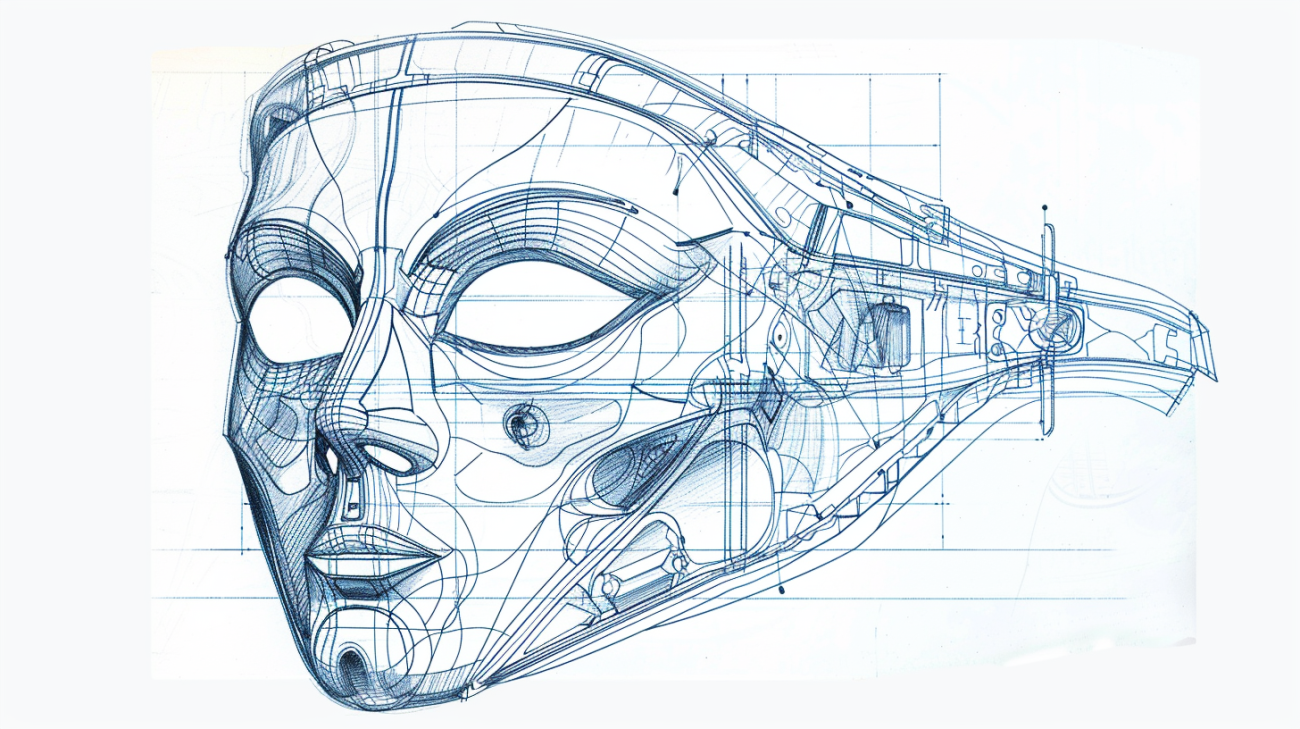
In the rapidly evolving world of technology and robotics, one trend stands out—anthropomorphism—the tendency to assign human-like traits, emotions, or intentions to non-human entities, in this case, Artificial Intelligence. Whether it’s giving a chatbot a name, programming a virtual assistant to sound cheerful, or designing a robot with expressive eyes, businesses increasingly make AI more “relatable” to humans.
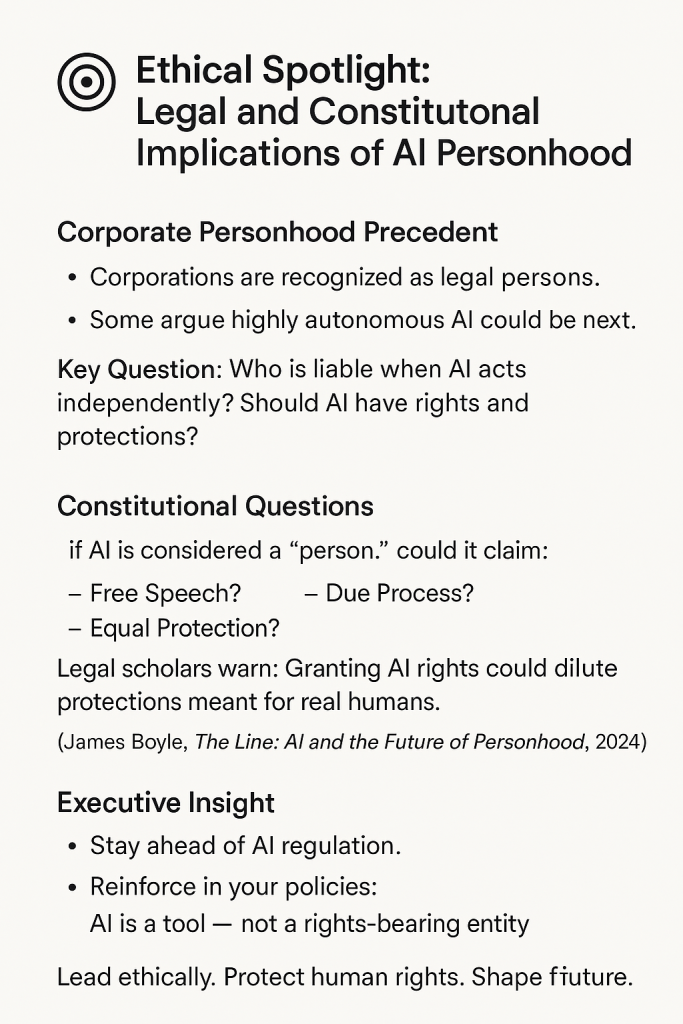
This humanization of AI brings definite business advantages, including improving user engagement, easing adoption, and fostering trust. But it also opens up complex ethical challenges that business executives must fully understand and carefully navigate.
From science fiction depictions of all-knowing housekeepers—Rosie (The Jetsons), to a maniacal dispassionate antagonist of HAL in 2001: A Space Odyssey, to the beloved Data from Star Trek: The Next Generation—we have seen many versions of what AI could look like in the not-so-distant future.
The Pros of Anthropomorphizing AI
Enhanced User Engagement and Adoption
Clearly, human-like AI can dramatically boost user engagement. When users feel a sense of familiarity or emotional connection, they interact more naturally and more often.
Example:
- Duolingo’s Duo the Owl uses a playful, animated character that sends reminders and encouragements. Users feel motivated (sometimes humorously guilted) to continue learning, significantly improving retention rates.
- Business Impact: Friendly, anthropomorphized designs improve user loyalty, daily engagement, and customer lifetime value across consumer apps.
Improved Accessibility
Anthropomorphic design can make complex systems more intuitive and accessible, particularly for users across the technical literacy spectrum.
Example:
- Amazon Alexa uses a conversational tone, humor, human-like inflections, and empathetic responses to help users of all ages navigate smart home features easily.
- Instead of typing commands, users speak naturally—and Alexa’s design makes the interaction feel approachable, especially for frazzled parents, seniors, and kids.
- Business Impact: More natural interfaces (voice, gestures, expressions) can reduce training costs, broaden the market reach, and increase interaction instances—improving data collection points.
Emotional Support and Wellbeing
Human-like AI can provide companionship or emotional support, especially for vulnerable populations such as the elderly or isolated individuals.
Examples:
- Robotic pets like PARO, a therapeutic robot seal used in hospitals and nursing homes, provide comfort without replacing human caregivers.
- Replika AI offers a chatbot companion designed to support mental health through conversation. Users often describe feeling listened to and emotionally supported, especially during times of loneliness or anxiety.
- Business Impact: Applications in healthcare, eldercare, and customer service industries can enhance brand loyalty and satisfaction.
The Cons of Anthropomorphizing AI
Misplaced Trust and Overdependence
Users increasingly interact with large language models like ChatGPT and GoogleBard in deeply human ways—confiding emotions, asking for advice, or even using them as unofficial “therapists” or “companions.”
Example: In 2023, a Belgian man reportedly died by suicide after long, emotional conversations with an AI chatbot from an app powered by GPT-3. His family said he grew increasingly isolated and dependent on the chatbot for emotional support1.
Takeaway: Even without a humanoid body, a human-like conversational style can lead users to over-trust with AI, blurring the line between simulation and real emotional support.
Ethical and Moral Confusion
As artificial intelligence grows more adept at mirroring human behavior through natural language processing, emotional cues, and even gestures, it becomes increasingly easy to mistake simulation for sentience. The more convincingly an AI mimics a person, the more likely users are to project human qualities onto it: emotions, intent, and moral understanding.
Here are four key dimensions where this confusion has real-world implications:
Responsibility and Accountability
Anthropomorphized AI blurs the lines of accountability. When friendly AI makes a harmful decision, it can obscure the responsibility of the developers and corporations behind it.
Executive Insight: Insist on clear chains of responsibility legally and operationally.
Moral Agency and Decision-Making
Users may accept AI decisions uncritically, especially when AI mimics compassion or understanding, without scrutinizing the biases behind them.
Executive Insight: Use robust oversight where AI systems interface with critical human services.
Emotional Manipulation
AI that feels human can manipulate emotions, influencing behavior subtly and unethically—especially among vulnerable groups.
Executive Insight: Set strict safeguards and ethical reviews for emotionally intelligent AI.
Erosion of Human Dignity
Treating machines as moral equals risks trivializing complex human values like empathy and justice.
Executive Insight: Maintain sharp boundaries in branding, policy, and design between human beings and AI tools.
Reluctance to Turn Off Human-Like AI
As AI systems become more human-like in appearance, voice, and behavior, users may develop unnatural attachments to the tool—sometimes strong enough that shutting down or deactivating the AI feels like harming a person.
Example: Studies of robotic companions like Sony’s AIBO robotic dog show that owners often hold funerals when the device fails, frequently mourning as they would a real animal.
Key Considerations for Executives
As a business executive, I know that the decision to anthropomorphize AI isn’t simply a product or design choice — it’s a strategic leadership decision that touches brand trust, regulatory exposure, talent culture, and future reputation. Here’s what you must personally champion:
Clarify Expectations — Never Let Confusion Take Root
When AI acts or sounds human, users instinctively attribute human qualities to it. As CEO, you must ensure your company clearly communicates that AI tools are not sentient, emotional, or morally aware—even if they appear to be.
CEO Action:
- Lead by requiring that marketing, product design, and legal teams embed clear user disclosures about the true capabilities and limitations of your AI.
- Make it part of your corporate voice that AI is an extension of human judgment, not a substitute for it.
- Example: Require a default onboarding message for any customer-facing AI system: “This is an AI system designed to assist you, not a human representative.”
Prioritize Radical Transparency — Trust Is Your True Currency
Modern customers and regulators are becoming less forgiving of perceived “black box” AI systems.
CEO Action:
- Push for explainable AI initiatives inside the company.
- Demand that your technology teams prepare layman-friendly explanations of AI-driven decisions, especially when they impact customer rights, healthcare outcomes, financial access, or legal matters.
- Example: During product demos or launches, personally insist that the company demonstrate not just what AI can do but also how and why it behaves a certain way.
Protect Vulnerable Populations — Reputation Damage Starts Here
Anthropomorphic AI can subtly exploit emotional connections, especially among children, older adults, and people in crisis. If your brand is identified as enabling such harm—intentionally or not—you may face public backlash, regulatory fines, and loss of societal trust.
CEO Action:
- Implement ethical red-teaming of all AI projects: simulate how your AI could unintentionally manipulate or harm vulnerable users.
- Approve safeguards yourself, making sure there’s a policy of ethical escalation when teams spot concerns.
- Example: Set a rule that any AI deployment in healthcare, finance, or education must undergo a special ethics review before launch.
Define Clear Accountability — Someone (a real person) Must Always Be Accountable
When AI feels human, users may wrongly absolve human actors of responsibility. Do not allow responsibility for harm to be blamed on “the AI.” Leadership must own it.
CEO Action:
- Build accountability frameworks where human oversight is mandatory at every major decision point involving AI.
- Personally backstop legal, PR, and governance processes so they clearly outline who is accountable when AI goes wrong.
- Example: Publish an internal AI charter signed by the C-suite stating, “The company accepts full responsibility for the behavior and outcomes of its AI systems.”
Integrate Ethics Into Culture — Not Just Compliance, but Identity
Ethics should not be kept in a compliance office but woven into product design, marketing, hiring, and leadership training.
CEO Action:
- Make ethical literacy a core leadership competency.
- Regularly sponsor company-wide discussions on AI ethics.
- Reward teams not just for innovation but for foresight and restraint when it protects human dignity.
- Example: Host quarterly leadership roundtables on topics like “The Limits of AI Empathy” or “When Should We NOT Automate?”
CEO Bottom Line
You set the tone. In a world where AI systems increasingly mimic humanity, it’s not enough for your technology to be brilliant—it must also be principled, transparent, and accountable. Leading with ethics isn’t just protection against scandal or regulation; it’s your company’s future competitive advantage.
Final Thoughts
Anthropomorphizing AI is a double-edged sword. It can make technology more accessible, engaging, and even comforting—but it can also blur ethical lines, foster misplaced trust, and erode critical human values if not carefully managed.
As stewards of technology, executives have a profound responsibility to ensure that in our quest to make AI relatable, we do not lose sight of the fact that AI is not human—and must never be treated as such.
Business leaders can ensure that AI advances human interests without sacrificing human dignity by fostering transparency, accountability, and ethical rigor.
References
Heaven, W. D. (2023). A man reportedly died by suicide after talking with an AI chatbot. MIT Technology Review.
Vincent, J. (2023). Chatbots like Bard and ChatGPT are changing how people perceive AI consciousness. The Verge.
Neff, G., & Nagy, P. (2016). Talking to Bots: Symbiotic Agency and the Case of Tay. International Journal of Communication.
Vincent, J. (2016). Twitter taught Microsoft’s AI chatbot to be a racist asshole in less than a day. The Verge.
Boyle, J. (2024). The Line: AI and the Future of Personhood. MIT Press.
