As AI agents take over more reasoning, writing and decision-making, what happens to critical thinking? A look at cognitive autonomy, children and desirable friction.
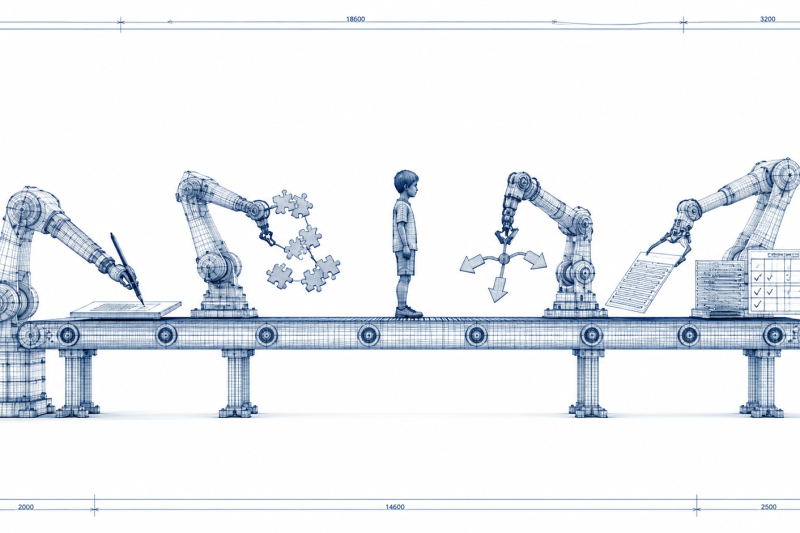
As AI agents take over more reasoning, writing and decision-making, what happens to critical thinking? A look at cognitive autonomy, children and desirable friction.

Part One: A Strategic Permission Framework for AI Use Case Assessment Executive Summary Organizations often begin … AI Use Case Assessment: 3 Essential Tests Before ApprovalRead more

Executive Summary An effective AI governance risk framework cannot treat every organization, use case, model, and … AI Governance Risk Framework: Why One Size Fits NoneRead more

AI Supply Chain Risk: Governance Beyond the Firewall

The first phase of AI incident response should be fast and disciplined: contain the incident, triage … The Shift After 48 Hours: From Speed to AccountabilityRead more

Why AI Incident Response Is the Next Test of Responsible Governance AI governance is shifting from … When AI Fails, Who Must Know in the First 48 Hours?Read more

AI Resurrections, Synthetic Endorsements, and the Consent Problem That Doesn’t Die The dead are working again. … Does the Celebrity in Your Ad Need to Be Alive?Read more

An AI system can cause real harm without any malicious intent. It does not need malice. … When a Values Statement Cannot Stop an API CallRead more
Moving from policy to control at the moment of action Enterprise AI faces a control problem. … What Is AI Governance Actually Governing?Read more

Most enterprise AI initiatives don’t fail in development. They fail when their outputs start influencing real-world … Controlled Deployment: A Failure of Control, Not CapabilityRead more